
A museum interpretation tool
Herodote turns a curator’s own knowledge into an approved scene of an object’s original world.
For every object of an exhibition — composed in an afternoon.
Built for the head of public programmes or the communications lead at a mid-sized regional museum — archaeology, history, fine arts or local heritage — preparing a temporary exhibition with little digital budget and no developer.
How a case gets its scene
Three steps the museum’s own team can do without a developer.
Upload the object’s photo
The museum’s own team photographs the object and uploads it — no studio, no agency.
Add what the curator knows
Date, place, use, sources — the knowledge already sitting in the curator’s files.
Herodote composes the scene
A still image puts the object back in its original world, ready for approval.
One object, composed back into its world
A sample of what the team uploads, and the scene Herodote composes from it once a curator adds what they know.
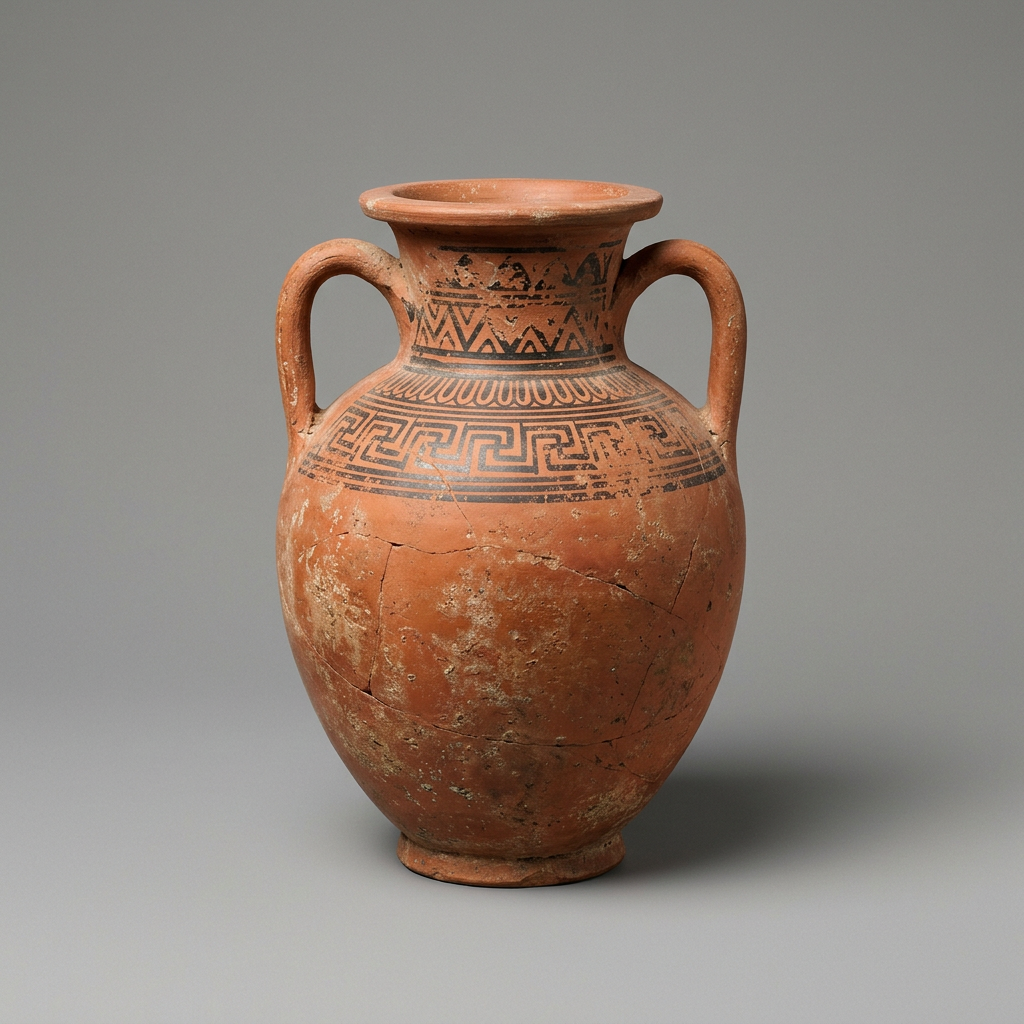
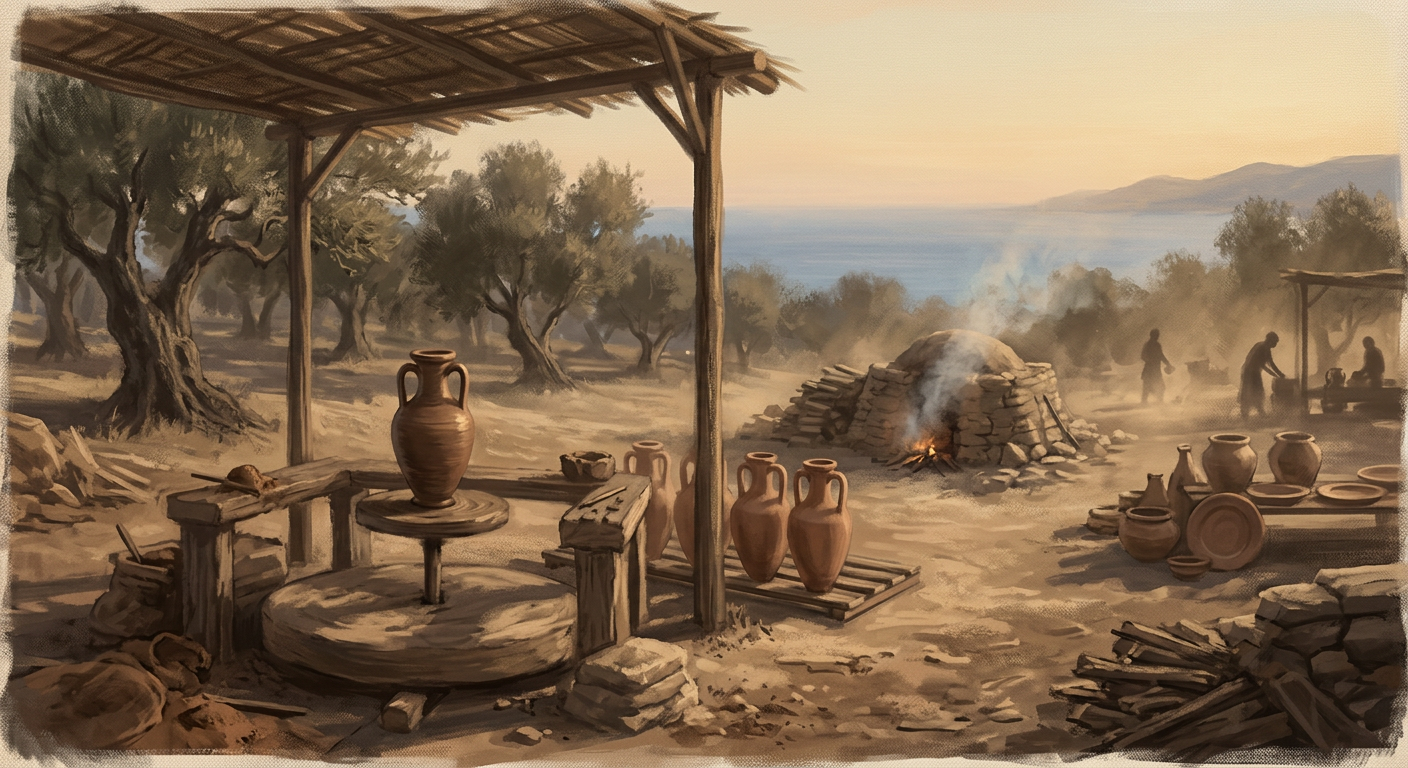
This sample is composed, not photographed, and stands next to the object’s own case with a QR code the visitor can scan.
One exhibition, one price — nothing added later.
Paid once, by card, through a hosted checkout — priced well under the thresholds that would otherwise call for a public tender. Every object page and its QR code stay online afterwards, with no time limit.